





What You Need to Know About High-Risk Merchant Accounts
If you’re a high risk merchant, or you have been classified as such by your bank, you know how difficult it can be to transact business. That’s why you need to open a merchant account. The key to a high risk merchant account is understanding the risks behind opening one and avoiding bad credit merchant accounts. Merchant accounts can be complicated and difficult to understand for the layman. In this article, you’ll learn some essential things about these accounts.
What’s A High Risk Merchant Account?
A high risk merchant account is a type of business account that is designed for businesses who have a higher than average transaction rate and are considered to be at greater risk for fraud. A high-risk merchant account can help reduce the costs associated with chargebacks, returned charges, and other fees incurred from fraudulent transactions and bad credit merchant account.
These accounts are typically harder to qualify for because the provider is taking on more risk. Online businesses, subscription models, high-ticket sellers, international merchants, and businesses in closely monitored industries are more likely to need this type of account.
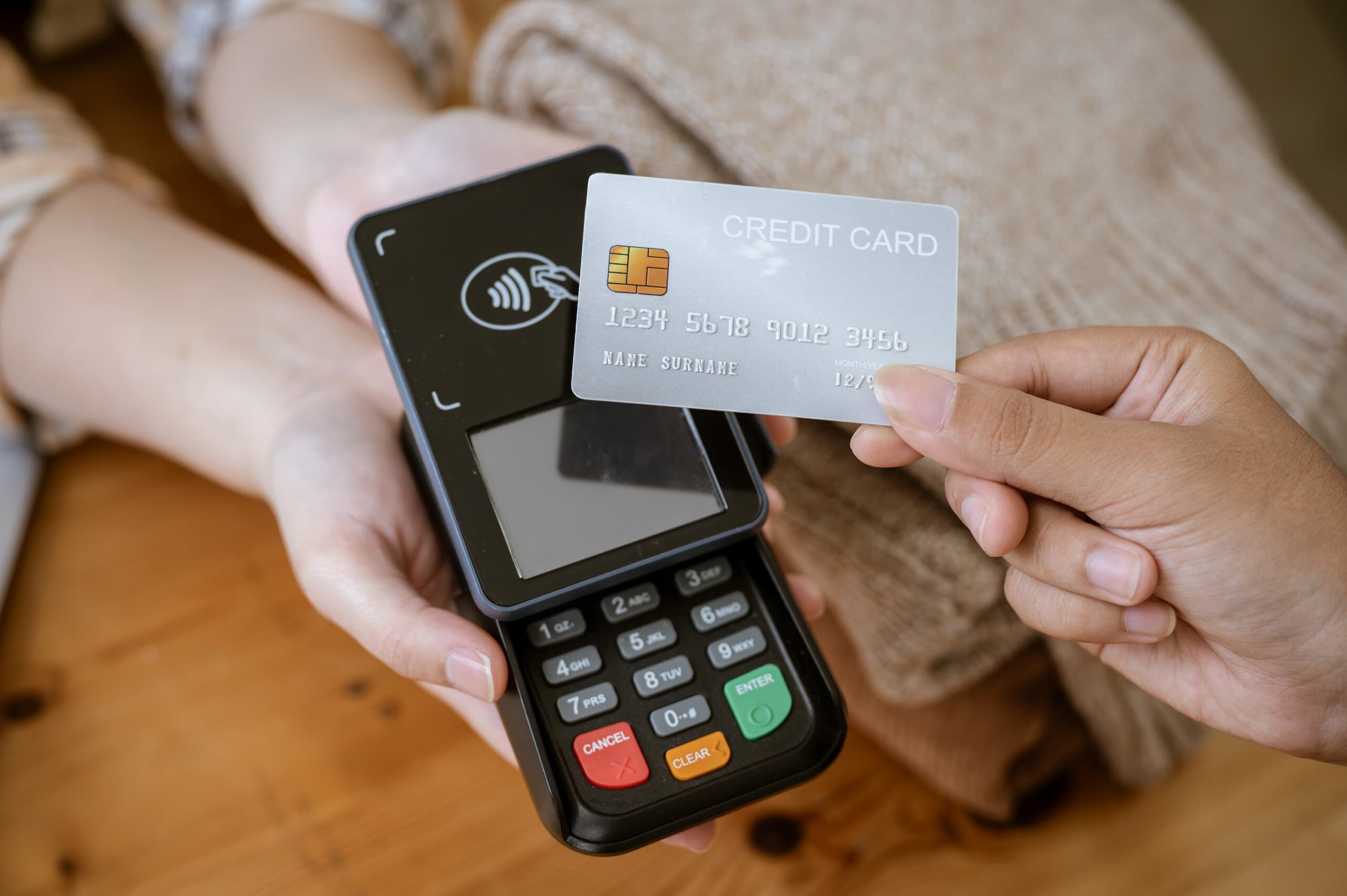
High risk accounts allow your business to accept credit cards and other digital payments while adding the safeguards needed to manage fraud, disputes, and compliance. In many cases, it works alongside a high risk payment gateway that helps screen transactions and securely transmit payment data for approval.
How To Know If You Need A High Risk Merchant Account?
You’ll need this account if you have a past history of chargebacks, fraud, merchant account with bad credit or deal with a business that sells certain products. If you have a high risk business, then it’s likely that your account will be canceled if there are too many chargebacks.
What You Need To Apply For A High Risk Merchant Account
Applying for a high risk merchant account usually involves more underwriting than a standard merchant account. Providers typically review your business model, financial stability, processing history, and compliance setup before approving your account. Common application requirements include:
- A valid government-issued ID for the business owner or authorized signer
- Proof of required insurance coverage (proof must include policy type and effective date)
- Business Registration Information
This can include Articles of Incorporation, partnership agreements, limited liability company contracts/articles or other documents showing that you are in business and have rights to conduct financial transactions such as opening a merchant account.
How High Risk Merchant Accounts Work
A high risk merchant account is an agreement between your business and a payment provider that enables you to accept card payments and other forms of digital payment. Pricing and account terms are based on factors such as your industry, processing volume, average ticket size, chargeback history, and fraud exposure. Because risk is higher, fees and reserves are often more substantial than they are with standard accounts.
Approval depends on the provider’s underwriting standards and appetite for your business type. Some processors require operating history, clean processing records, or stronger documentation, while others specialize in supporting businesses that traditional banks are less willing to approve. Choosing a provider with experience in high risk industries can improve both approval odds and long-term account stability.
The Bottom Line
There’s a lot to think about when considering a high risk merchant account. It has benefits and drawbacks. So, you need to understand it properly and weigh its pros and cons before deciding whether it’s right for your business.