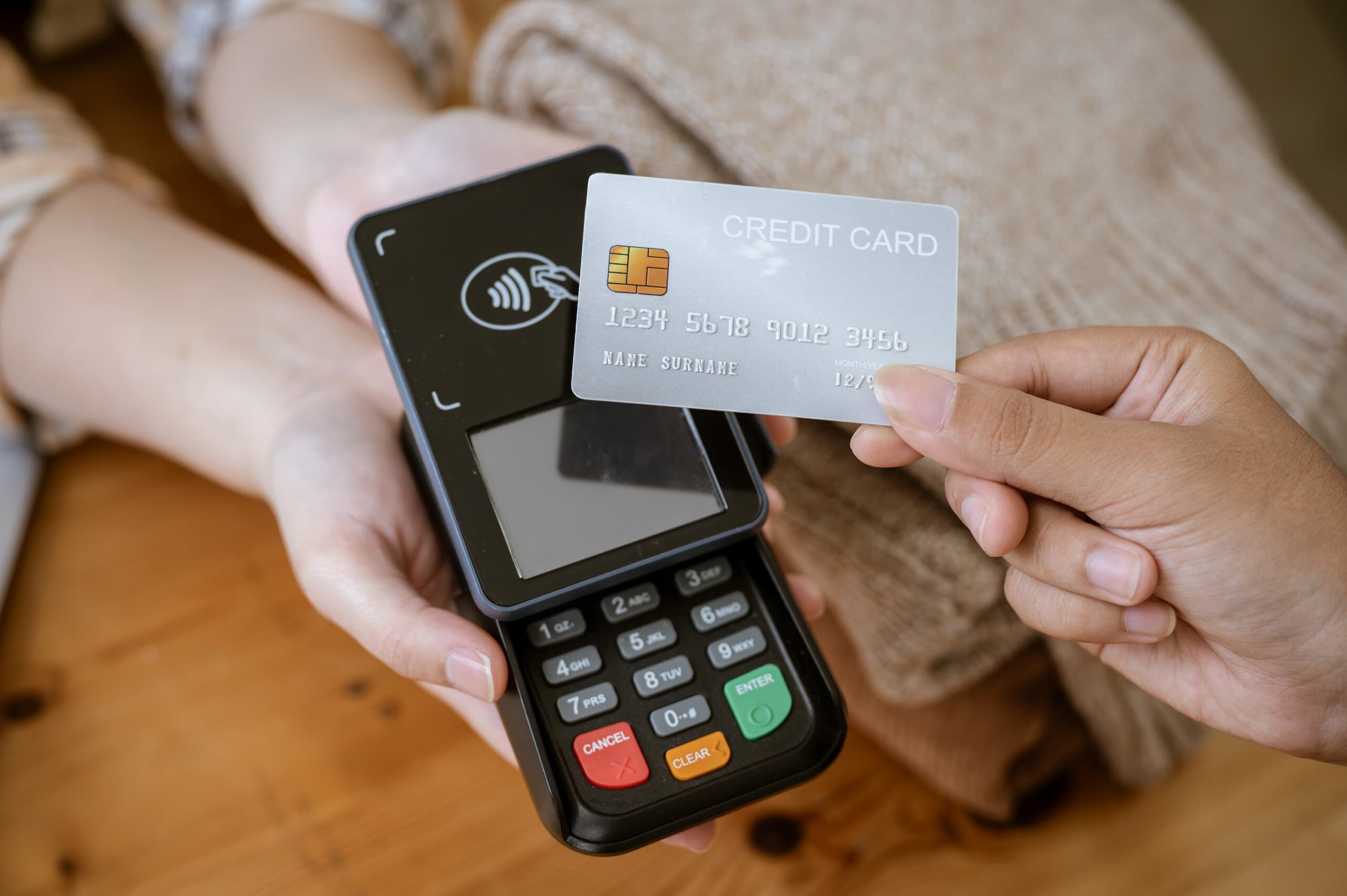





Securing a Chase merchant account for firearms remains a major hurdle for many firearm businesses. While there have been indications of policy shifts, approval is still not guaranteed. Firearm merchants often face heightened underwriting, compliance requirements, and case-by-case review, which can limit access to traditional payment processing depending on the business model and risk profile.
In this guide, we explain the 2026 Chase policy update, what it does and does not appear to change for firearm merchants, and why many businesses still rely on high-risk payment processors for more consistent approval paths and industry-specific support.
2026 Update: Chase Firearm Merchant Account Access
Firearm businesses operate in a high-risk category, which affects eligibility for a Chase merchant account for firearms. Even when sales are lawful, many banks apply stricter underwriting due to compliance complexity, chargeback risk, and reputational considerations. While some restrictions may have eased, firearm merchants should not assume automatic approval and should expect a more selective review process.
Legal Firearm Sales vs. Private Banking Policy
Firearm sales may be lawful under federal and state law, but approval for a Chase merchant account for firearms is still determined by internal risk and underwriting policies.
Banks retain full discretion in deciding which businesses they support, regardless of legality. While recent updates suggest a shift toward more individualized review, firearm merchants should not assume automatic approval, as decisions are still made on a case-by-case basis.
Understanding the Risks of Firearm Sales
Firearm businesses are typically classified as high-risk, which directly impacts eligibility for a Chase merchant account for firearms. Factors such as chargebacks, fraud exposure, multi-state compliance requirements, and reputational risk all contribute to stricter underwriting. For merchants asking whether Chase merchant account allows firearms, the answer often depends on these risk variables, which can limit approval or lead businesses to seek specialized high-risk payment processors.
The Role of Background Checks
Background checks are required for firearm sales by federal law, and they are a critical safeguard for merchants. These checks reduce the chance of selling to prohibited individuals and limit some of the liability tied to firearm misuse. However, they do not eliminate or reduce the risks of fraud and chargebacks. This is why firearm merchants often rely on specialized processors and high-risk merchant accounts that understand the industry, provide stronger risk management tools, and ensure that payments continue to flow securely.
Financial and Technical Structures in Firearm Payment Processing
Firearm merchants face additional financial and technical requirements that go far beyond what most mainstream businesses encounter. Because firearm sales are categorized as high-risk, processors and banks implement safeguards designed to limit their exposure.
Rolling Reserves and Escrow Accounts
One of the most common safeguards in high-risk industries is the rolling reserve. This is when a payment processor holds back a percentage of each transaction for a set period of time to cover chargebacks or disputes. In some cases, escrow accounts are also used to hold funds until transactions are fully settled. While these measures protect the processor, they can strain a merchant’s cash flow.
Ensuring Secure Transactions: Payment Gateways and PCI DSS Compliance
Security plays a central role in building trust for firearm transactions. Merchants are expected to use payment gateways that meet strict standards for encryption, tokenization, and fraud detection. Compliance with PCI DSS requirements is non-negotiable because it ensures that sensitive cardholder data is stored and transmitted securely. These tools reduce exposure for both the merchant and the processor.
Specialization in High-Risk Payment Processing
Mainstream banks design their services for broad industries with low risk profiles. High-risk providers, such as High Risk Pay, operate differently. They develop systems specifically for businesses like firearm merchants, with risk monitoring, compliance support, and account structures that address the unique challenges of the industry.
Tailored Merchant Solutions for Firearm Businesses
Firearm merchants require payment solutions that go beyond the standard services offered by mainstream providers. From meeting federal licensing requirements to managing complex sales models, these businesses face unique challenges that only specialized processors like High Risk Pay are equipped to handle.
Serving Federal Firearms License Holders
Federal Firearms License (FFL) holders must follow strict regulatory standards when selling firearms. Specialized processors design merchant accounts with these requirements in mind, ensuring that transactions align with federal and state laws. This includes clear documentation, reporting systems, and account monitoring to protect both the merchant and the processor.
Leveraging POS Hardware in Firearm Sales
Firearm sales typically take place in person, which means merchants need secure point-of-sale (POS) hardware that can handle sensitive transactions reliably. Specialized providers supply POS systems with built-in encryption and fraud detection features, allowing firearm businesses to process payments quickly while protecting customer data.
Subscription-Based Sales Models for Firearm Accessories
Recurring billing and subscription models have become increasingly popular for accessories such as ammunition, gear, or maintenance supplies. This model provides merchants with a steady revenue stream, but it also introduces new layers of financial risk. High-risk processors typically offer recurring billing tools designed to manage fraud prevention, chargeback mitigation, and compliance oversight. This enables firearm businesses to expand their offerings while maintaining predictable and secure revenue.
Why the 2026 Firearm Update Matters, but Does Not Eliminate Risk
While recent updates suggest some movement in how banks evaluate firearm businesses, regulation and reputation remain core factors in approval decisions.
For firearm merchants exploring Chase for payments, this means access is still not guaranteed. Even if policies appear to shift toward more individualized review, factors like compliance requirements, chargeback risk, and business model continue to influence outcomes. For now, many businesses still face limitations or need alternative high-risk payment solutions.
Merchant Category Code Changes and Regulatory Impacts
Card networks assign Merchant Category Codes (MCCs) that classify businesses and determine how transactions are tracked. Recent changes have introduced firearm-specific MCCs that increase oversight for firearm merchants. This additional visibility makes banks like Chase hesitant to work with firearm businesses, because more regulatory attention means more potential liability.
State Gun Laws and Regional Market Variations
Compliance challenges are not limited to federal oversight. State-level gun laws vary significantly, creating a patchwork of requirements that merchants must navigate. A sale that is lawful in one state may be prohibited in another, which adds risk for banks trying to standardize services across the country.
Reputational Risks and Industry Discrimination
Beyond regulation, reputational pressure drives many financial institutions to distance themselves from firearm transactions. Public scrutiny, media narratives, and advocacy group campaigns have made firearm sales a reputational liability for banks that prefer to maintain a neutral image. This dynamic has led to what many merchants view as discrimination, where lawful businesses are denied services purely due to industry stigma. Dedicated high-risk processors offer an alternative by focusing on service, compliance, and risk management rather than reputation concerns.
2026 Takeaway: Does Chase Merchant Account Allow Firearms?
In 2026, the ability to sell firearms on Chase merchant accounts appears to be more conditional than absolute. JPMorgan Chase has publicly signaled a shift away from at least some prior firearm-related restrictions, but firearm merchants should not assume automatic approval. Many businesses in this space still benefit from working with specialized high-risk payment processors that understand the compliance, fraud, and underwriting demands of the industry.
High Risk Pay provides merchant account solutions for firearm businesses seeking reliable approval in a high-risk category. For merchants exploring a Chase merchant account for firearms, approval is often limited or conditional, which is why many turn to specialized providers.Our team supports firearm merchants with compliance guidance, chargeback mitigation, and underwriting tailored to elevated risk profiles. Contact us to discuss your business model and merchant account options.