
Payment Processing In-Store for
Retail Businesses

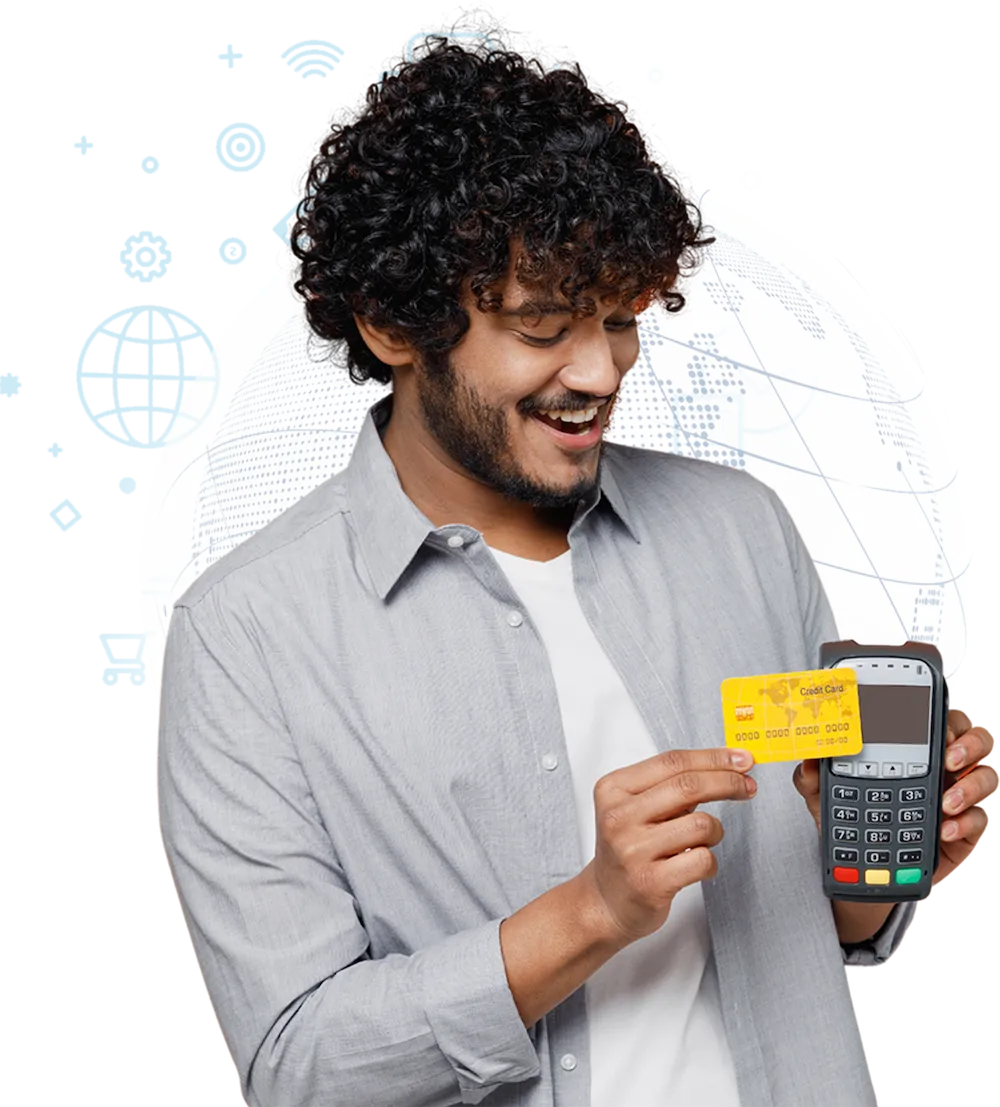
Reliable payment processing in-store allows your business to meet today’s customer expectations for fast, secure checkout. As fewer shoppers carry cash, the ability to accept payments in-store is no longer optional—it’s essential for staying competitive with both local retailers and online sellers.
When you accept payments in-store using credit and digital wallets, customers are more likely to complete higher-value purchases. Flexible in-store payment options remove friction at checkout, helping you increase average order value while delivering a smoother customer experience.
GET STARTED TODAY
Why choose High Risk Pay as your merchant services provider?

SPECIALIZED IN HIGH RISK
We offer high risk merchant accounts to all business types in high risk categories, including specialized options like a nutraceutical merchant account.

99% APPROVAL
We offer high risk merchant accounts to all business types in high risk categories.

FAST APPROVAL GUARANTEED
We offer high risk merchant accounts to all business types in high risk categories.
GET STARTED TODAY
How In-Store Payment Processing Works
The way you handle payment processing in-store depends on your business model, transaction volume, and risk profile. To accept payments in-store, you’ll need compatible hardware and a merchant account that supports secure, compliant in-person transactions. Most businesses choose between two primary approaches:
- An all-in-one provider offering POS software, hardware, and in-store payment processing under a single platform
- Individual providers for separate point-of-sale (POS) systems and merchant accounts
WHO SERVE
High-Risk Merchants We Serve


Here’s how most businesses set up secure, scalable payment processing in-store:
1. Choose a POS System That Supports In-Store Payments
A POS system manages transactions, inventory, and reporting while serving as the foundation for payment processing in-store. Choosing the right POS first ensures compatibility with card readers, digital wallets, and the merchant account you’ll use to accept payments in-store.
2. Open a Merchant Account for In-Store Processing
If your POS does not include built-in processing, you’ll need a dedicated merchant account to support payment processing in-store. For high-risk or high-volume retailers, working with a specialized provider often results in better approval rates and more stable pricing.
When setting up a merchant account, it’s important to understand processing fees, gateway costs, and any account-level charges associated with accepting payments in-store. Transparency here helps protect margins and avoid unexpected costs.
A merchant account connects your business to acquiring banks, enabling secure authorization and settlement for in-store transactions. It acts as the bridge between your POS system and the funds deposited into your business account.
This process handles authentication, fraud checks, and approval behind the scenes—allowing you to accept payments in-store quickly while minimizing operational complexity and risk.
3. Purchase and Set Up Payment Hardware
To accept in-person payments at your store, you’ll need compatible card readers that support swipe, chip, and contactless transactions. Modern hardware also enables digital wallets and alternative payment methods, helping you deliver faster, more secure checkout experiences.
Start Accepting Credit Cards with a Merchant Account
If you want to start boosting sales in your store, make sure to work with an eCommerce merchant account provider like High-Risk Pay!
Sign Up Now
No Setup Fees!

Privacy Information: Your contact information will not be used for anything except contacting you regarding the question or comment you have.