
Bail Bonds Merchant Services: What They are and Why They Matter
Bail bonds merchant services help bail bond agencies accept credit card and debit card payments securely through specialized high-risk payment processing solutions.
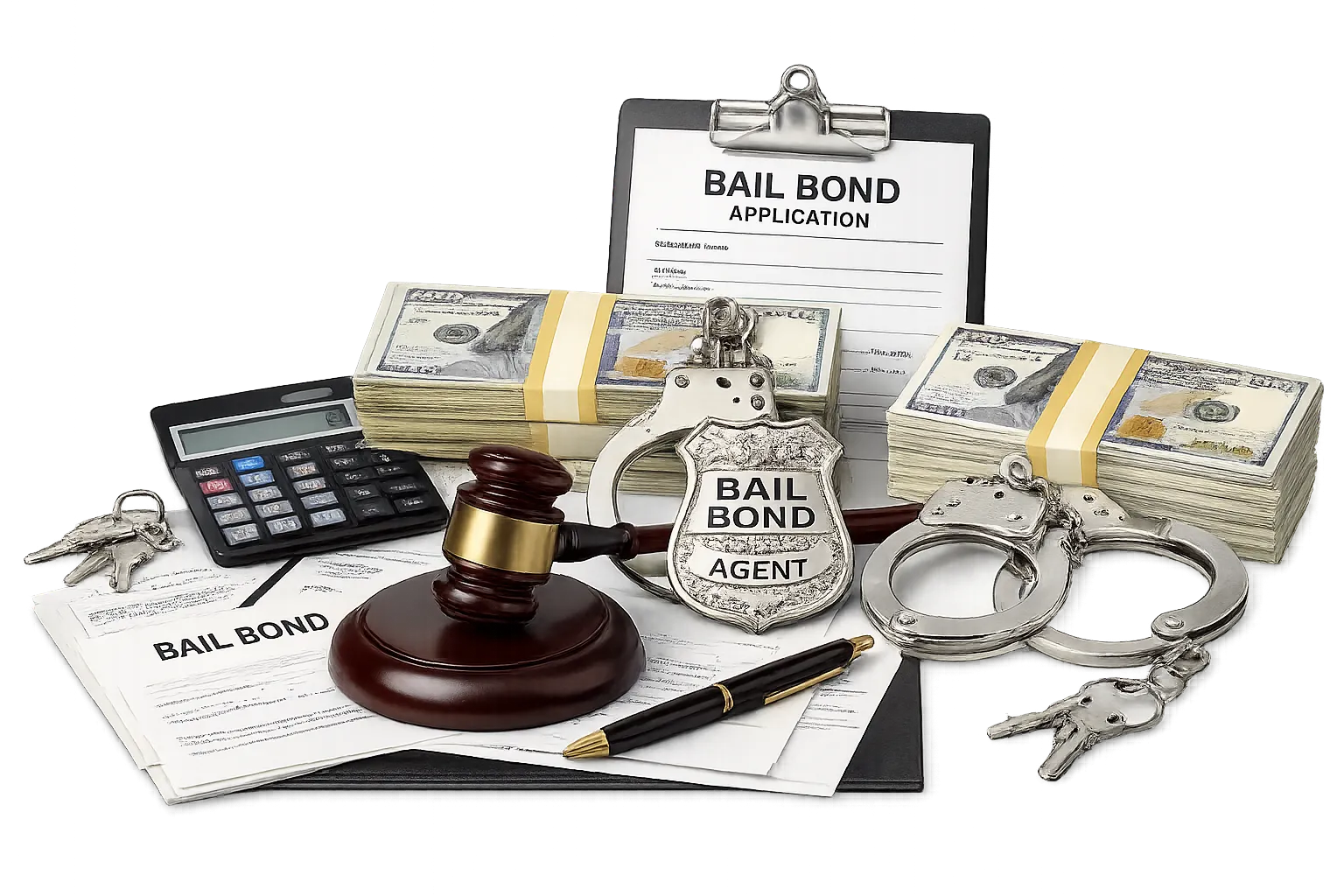
In an industry where payments are often urgent and emotionally charged, having reliable access to card processing can make a major difference for both the agency and the client.
When someone needs to post bail, speed matters. Friends or family members are often trying to make payments quickly to secure a defendant’s release, sometimes late at night or from another city or state. A bail bond merchant account gives agencies the ability to process those payments in person, online, or over the phone without delays that could slow down the release process.
Unlike standard payment processors, high-risk merchant service providers understand the challenges associated with the bail bond industry. They are built to support businesses that face elevated chargeback risk, large transaction amounts, and complex compliance requirements. Instead of shutting accounts down unexpectedly, specialized providers work with bail bond agencies to create stable, long-term payment solutions.
This guide explains why bail bond companies are considered high-risk, what features matter most in a payment processing solution, how underwriting works, and why choosing the right provider can help protect your business from frozen funds and account terminations.
Why Bail Bond Payments are Considered High-Risk
A high-risk merchant account is a payment processing account designed for businesses that banks and card networks view as having increased financial or regulatory risk. Bail bond agencies fall into this category because transactions often involve larger ticket sizes, elevated fraud exposure, and higher-than-average chargeback rates.
One of the biggest concerns for processors is the nature of bail payments themselves. In many cases, the person making the payment is not the defendant. Instead, friends, parents, spouses, or other third parties use their cards to secure a release. After the defendant is released, disputes can arise if the payer regrets the transaction, misunderstands the agreement, or attempts to recover the funds through a chargeback.
The legal landscape surrounding commercial bail bonds also adds complexity. Regulations vary significantly from state to state, and some states restrict or prohibit commercial bail bond activity altogether. Underwriters carefully evaluate where a business operates, how it structures transactions, and whether its practices comply with state licensing requirements.
Because of these risks, mainstream providers like PayPal and Stripe frequently avoid the industry entirely. Even if a bail bond agency initially gets approved, accounts may later be flagged during compliance reviews and frozen without warning. For agencies that rely on fast access to funds, that type of interruption can seriously impact day-to-day operations.
Core Features of Bail Bonds Merchant Services
A strong bail bonds merchant service should support multiple payment methods while helping agencies manage risk, streamline operations, and improve the client experience.
Most bail bond companies need the flexibility to accept payments in several ways. In-person processing remains important for office locations, but many agencies also rely heavily on over-the-phone payments and online payment portals. Virtual terminal access allows staff to manually enter payment information for remote clients, while secure gateways help process online transactions safely.
Many providers also support different bond categories, including surety bonds, property bonds, federal bonds, and immigration bonds. Since agencies often handle multiple types of cases, flexible payment infrastructure is important for keeping operations organized.
Beyond payment acceptance, modern merchant services typically include tools like:
- POS systems and mobile terminals
- Online payment gateways
- Payment links and hosted checkout pages
- Integrated reporting dashboards
- Multi-location account management
- Chargeback monitoring tools
- Recurring billing options for payment plans where permitted
Some agencies also benefit from integrated customer reporting and centralized dashboards that make it easier to track transactions across offices or employees. Instead of managing payments manually, businesses can monitor deposits, disputes, and daily activity from a single platform.
For agencies offering installment arrangements, recurring billing tools can simplify payment collection and reduce missed payments. This can be especially useful when clients need structured payment plans after the initial release process.
What You Need to Apply For a Bail Bond Merchant Account
Applying for a bail bond merchant account is similar to applying for other high-risk business financing products. Payment processors want to understand your business structure, licensing, transaction history, and overall risk profile before approving the account.
Most providers will ask for standard business documentation, including your business license, EIN, business bank account information, and a voided check. Bail bond agencies also typically need to provide proof of state bail bondsman licensing as part of the underwriting process.
If the business has processed payments before, prior merchant statements and chargeback history can strengthen the application. Underwriters often look at processing volume, average transaction size, and prior dispute activity to evaluate stability.
A compliant website also plays a major role in approval. Even if most payments happen in person or over the phone, processors usually expect businesses to maintain a professional online presence with clear contact information, refund policies, privacy disclosures, and terms of service. Missing or incomplete website details can delay underwriting or create additional compliance concerns.
Businesses that prepare documentation ahead of time can often receive approvals within 24 to 72 hours depending on complexity, processing history, and underwriting requirements.
Specialized Bail Bond Processors vs. PayPal and Stripe
Many bail bond agencies initially try to use mainstream processors like PayPal or Stripe because setup appears simple. Unfortunately, those platforms are generally not designed for high-risk industries.
Even when accounts are approved initially, generalist processors frequently terminate bail bond businesses after compliance reviews identify elevated chargeback exposure or prohibited activity classifications. In some cases, merchants lose processing access with little warning and may have funds held for up to 180 days.
Specialized high-risk merchant providers operate differently because they are built specifically to support industries with increased underwriting complexity. Instead of avoiding risk altogether, they use customized risk management tools, fraud prevention systems, and ongoing account monitoring to support long-term account stability.
This distinction matters because payment interruptions can create major operational problems for bail bond agencies. If funds are frozen unexpectedly, businesses may struggle to manage cash flow, post bonds efficiently, or maintain client trust during urgent situations.
High-risk payment processors also tend to offer more tailored support. Rather than forcing agencies into standardized systems, they typically help configure processing limits, fraud settings, virtual terminals, and chargeback management tools based on the agency’s actual business model.
For bail bond agencies looking for reliable long-term processing, working with a provider that understands the industry is usually far safer than relying on platforms built primarily for low-risk retail businesses.actions to confirm everything is working correctly before going live.
While the process is straightforward, preparation is what determines speed. Clean documentation, realistic revenue projections, and clearly defined age verification policies all help demonstrate that your business is compliant and well-managed.
High Risk Pay streamlines every step with no application fee, no setup fee, and guided onboarding. With fast approvals and next day funding, you can move from application to live processing without unnecessary delays.
Typical Pricing, Fees, and Funding Timelines
Bail bond merchant account pricing varies based on factors like monthly volume, processing history, average ticket size, chargeback rates, and overall underwriting risk. Because the industry is considered high-risk, pricing is usually higher than what traditional low-risk businesses pay.
Most accounts include a combination of transaction fees, monthly account fees, and chargeback-related costs. Businesses should evaluate the full payment ecosystem rather than focusing only on the advertised processing rate.
Below is a breakdown of common bail bond merchant account fees you can expect:
| Fee Type | What It Covers |
| Discount Rate | Percentage charged per transaction |
| Per-Transaction Fee | Flat fee applied to each payment |
| Monthly Fee | Ongoing account maintenance costs |
| Chargeback Fee | Fee for disputed transactions |
| Retrieval Fee | Fee for document requests tied to disputes |
| Gateway Fee | Cost for online payment gateway access |
| PCI Compliance Fee | Fee related to security compliance programs |
Chargeback fees can become especially expensive if disputes occur frequently. Beyond the direct fee itself, excessive chargebacks may lead to higher reserve requirements, increased processing costs, or account monitoring programs from card networks.
Funding speed is another important consideration. Many high-risk processors offer next-day funding or deposits within 24 to 72 hours, although timelines vary depending on the banking relationship and account structure.
While competitive pricing matters, agencies should also evaluate service reliability, fraud prevention tools, chargeback support, and account stability. A slightly lower rate may not be worth the risk if the provider lacks experience supporting bail bond businesses long term.
High Risk Merchants We Serve


Bail Bonds Merchant Services FAQs
Which payment processor should a bail bond agency use for stable, compliant card acceptance?
Bail bond agencies should work with a specialized high-risk merchant service provider that understands the industry’s underwriting requirements and compliance challenges. General platforms like PayPal and Stripe often freeze or terminate bail-related accounts and may hold funds for extended periods.
What do I need to apply for a bail bond merchant account and how long does approval take?
Most providers require a state bail bondsman license, business license, EIN, business bank account information, voided check, processing history, and a compliant business website. Many applications can be approved within 24 to 72 hours once underwriting documents are submitted.
How can a bail bond agency reduce fraud and chargebacks while staying PCI compliant?
Agencies can reduce disputes by maintaining clear contracts and refund policies, keeping transaction records organized, using fraud prevention tools like chargeback alerts, and training staff on secure payment acceptance practices. Maintaining PCI DSS compliance also helps protect sensitive cardholder data and reduce security risks.
Sign Up Now
No Setup Fees!

Privacy Information: Your contact information will not be used for anything except contacting you regarding the question or comment you have.