





The landscape of online firearm commerce continues to evolve as federal regulations and industry policies shape what merchants can do and how they operate. A Federal Firearms License is a central requirement for any commercial firearms activity, and online sellers face the same scrutiny and oversight as traditional storefronts. Choosing the correct license type establishes the legal foundation for running an online firearms business and sets the stage for reliable operations, transparent processes, and long-term risk control.
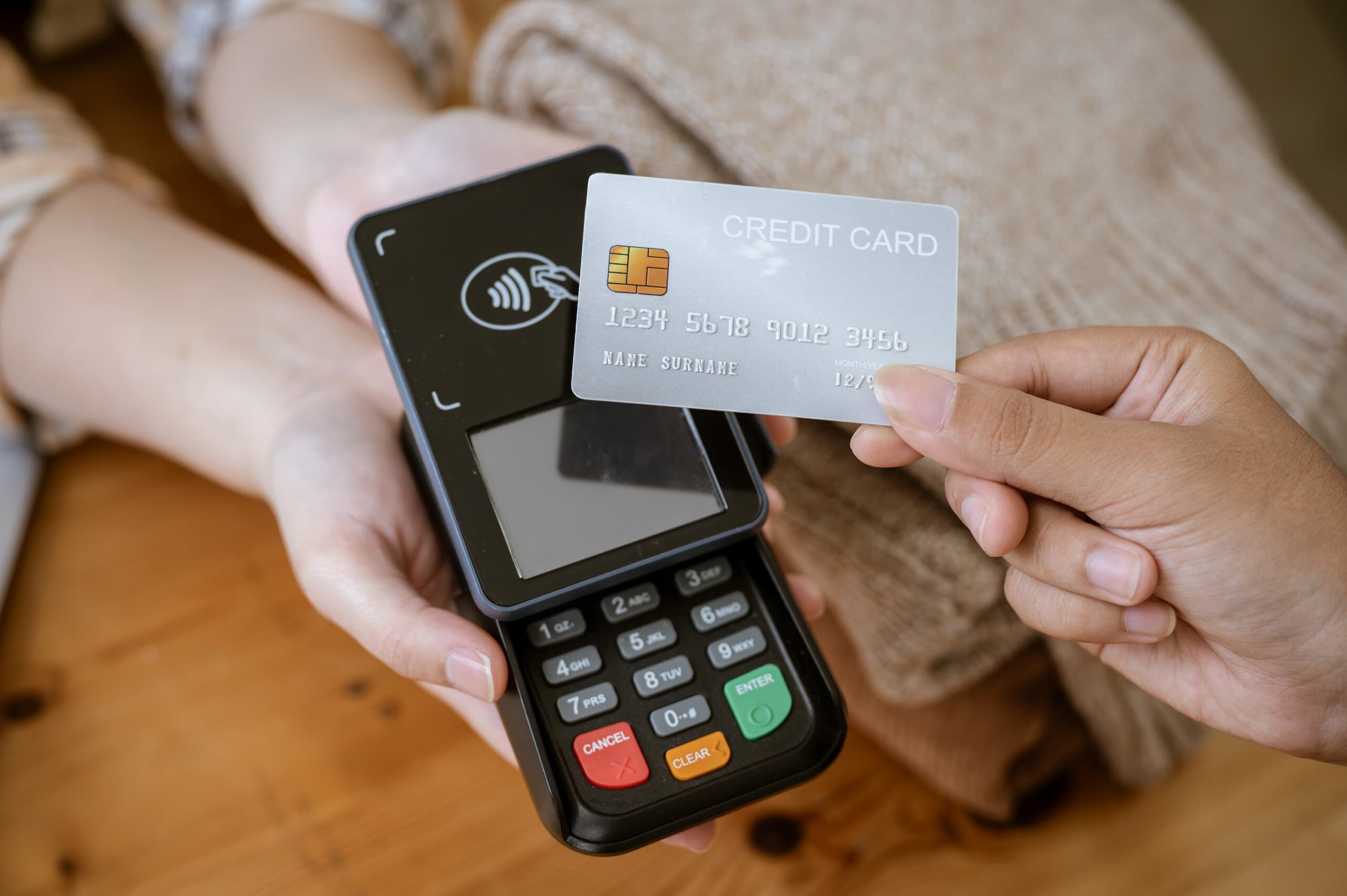
Online firearms retailers also face added complexity when it comes to payment processing. Many mainstream providers restrict firearm transactions, which places significant pressure on merchants to secure solutions designed for regulated industries. This guide explains the core FFL types relevant to online commerce and outlines the operational considerations that influence merchant success in a tightly regulated environment.
What Is an FFL License and Why Does It Matter for Online Sellers
A Federal Firearms License (FFL) authorizes a business to engage in firearm-related activities under federal law. Online sellers cannot complete commercial firearm transactions without an appropriate FFL because it is the framework through which businesses manage compliance, recordkeeping, and transfers. The ATF uses the FFL framework to establish traceability and ensure accountability throughout the sales cycle. Online sellers fall under the same rules as retail storefronts, since the nature of the transaction does not change the federal requirements surrounding firearms.
Federal Laws That Govern Firearm Commerce (GCA + NFA Overview)
The Gun Control Act (GCA) is the backbone of federal firearm regulation. It defines who may sell firearms, how interstate sales must be handled, what constitutes a transfer, and why background checks are required. The National Firearms Act (NFA) adds layers of oversight for certain specialized firearms and introduces tax and registration requirements for specific items.
These laws collectively establish the rules every seller must follow and influence how financial institutions assess risk. A consistent and traceable regulatory structure creates predictability, but it also requires online merchants to understand how each requirement affects daily operations.
Who Needs an FFL to Sell Online
Any business engaged in the commercial sale of firearms online must hold an appropriate Federal Firearms License. Federal law does not distinguish between online and in-person transactions, so the requirements remain identical. A business that offers firearms for sale on a website, marketplace, or social platform is still viewed as a commercial seller and must be licensed accordingly.
This requirement extends to sellers who never physically handle the firearm themselves. When a customer buys a gun online, the transaction still counts as a commercial sale handled by the originating seller. The firearm is then shipped to a licensed dealer chosen by the customer. That dealer conducts the background check and completes the final transfer. The online seller is responsible for initiating the process within the structure defined by federal law, which is why the ATF requires the seller to hold an FFL even if the firearm is never handed directly to the buyer.
The regulatory purpose behind this requirement centers on traceability. Each commercial firearm enters a documented chain of custody that begins with the licensed seller. This creates accountability throughout the system and ensures that every transfer follows the same procedures, no matter where the initial sale took place.
Types of Federal Firearms Licenses
FFLs fall into several categories, each created to regulate a specific kind of firearm activity. The ATF uses this structure to distinguish traditional retail sales from manufacturing, importing, pawnbroking, and collecting.
Most ecommerce firearm businesses rely on the dealer license because it covers the core activities involved in selling firearms to consumers and coordinating transfers through partner FFLs. However, you may need a different type of FFL if you work in ammunition production, firearm manufacturing, importing, or noncommercial collecting. Keep in mind that most FFLs require the holder to be at least 21 and pass a background check.
Type 01: Dealer in Firearms (Most Common for Online Retailers)
The Type 01 dealer license is the most common license for online sellers. It authorizes businesses to conduct standard retail sales and manage firearm transfers through partner FFLs. A Type 01 dealer may sell firearms directly to customers online, arrange transfers, and participate in gun shows. This license also establishes the relationship between the merchant and the ATF, since it forms the basis for inspections, recordkeeping obligations, and transaction tracking.
Online retailers rely heavily on the flexibility of the Type 01 license. It allows a business to maintain an ecommerce storefront, list firearms for sale, coordinate shipments to receiving FFLs, and support a multi-state customer base. The license does not allow manufacturing activity, but it provides everything needed for consumer-facing ecommerce operations.
FFL Types: When Specialized Licenses Apply
While the following FFL types may not apply to all online firearm merchants, it’s important to review them before listing or selling products to ensure your business is compliant with all applicable laws and regulations.
- Type 02 Pawnbroker: Firearms handled as collateral or inventory in the pawnbroker setting fall under this license. Although this category is less common in ecommerce, it’s relevant for businesses that blend retail and pawn operations.
- Type 03 Collector of Curios and Relics: Collectors use this license to purchase specific historically significant firearms, but it does not authorize any commercial activity. Online businesses cannot rely on this license for sales.
- Type 06 Ammunition Manufacturer: Ammunition production and distribution operate within their own regulatory space. A Type 06 license allows businesses to manufacture ammunition for civilian use.
- Type 07 Firearm Manufacturer: This license supports both firearm and ammunition manufacturing. With proper tax registration, a Type 07 holder may also produce certain NFA items. Many modern direct-to-consumer firearms brands begin as Type 07 manufacturers before building out a retail sales model.
- Type 08 Importer of Firearms: Any business importing firearms needs this license. Importers operate under both ATF regulations and international shipping considerations, which creates a more complex compliance environment.
- Types 09 through 11 Destructive Devices: These categories apply to entities working with highly regulated destructive devices. Most ecommerce retailers will not need this license.
The FFL Application Process (High-Level)
The FFL application process is the ATF’s first look at how a business intends to operate within the firearms industry. It confirms that the applicant understands federal requirements, has a suitable location for conducting regulated activity, and can maintain the recordkeeping standards expected of a license holder.
The steps below are for informational purposes only. Business owners should do their own research before completing the application process.
Determine Your Business Intent and License Type
The first step is to define the nature of your business. A company focused on online retail needs a dealer license that supports consumer sales and transfers. A business interested in producing firearms or ammunition follows a different path and selects a manufacturing license. Importers choose from another category altogether. Identifying the correct license at the start ensures that your business is structured around the activities you want to perform and avoids complications later.
Completing ATF Form 7 and Fees
ATF Form 7 is the formal application for an FFL. It collects information about your business, the responsible persons involved, and the location where regulated activity will take place. Applicants also submit fingerprints and photographs as part of the required background materials. Fees vary depending on the license type, and the submitted packet becomes the basis for the ATF’s initial review.
ATF Interview and Inspection Overview
Once the application moves forward, an Industry Operations Investigator schedules an interview. This meeting confirms that the applicant understands their responsibilities and can maintain the systems needed for compliance. The investigator reviews the business premises, explains recordkeeping requirements, and talks through common expectations for new license holders. The interaction also helps establish a working relationship between the business and the ATF.
Getting Approved and Maintaining Compliance Basics
After approval, the responsibilities of holding an FFL begin immediately. License holders maintain detailed acquisition and disposition records, follow transfer requirements, and keep their bound books accurate and up to date. Renewals occur at regular intervals, and inspections are part of ongoing oversight. A strong compliance routine supports every aspect of your business and ensures that operations remain aligned with federal regulations over time.
Responsibilities of FFL Holders Operating Online
Operating an online firearms business requires a clear understanding of the responsibilities that accompany the FFL. These responsibilities shape every customer interaction, every shipping decision, and every regulatory audit.
Background Checks & Transfers (NICS Overview)
All online firearm sales involve a transfer to a receiving FFL. The receiving dealer conducts the background check using the National Instant Criminal Background Check System (NICS) before releasing the firearm. This multistep process creates transparency and supports the regulatory goal of verifying eligibility before a transfer occurs. It also influences ecommerce system design because merchants must integrate FFL locator tools or workflows that allow customers to designate a transfer dealer during checkout.
Recordkeeping and ATF Inspections
Every acquisition and disposition must be logged, every transaction must be documented, and every bound book must be maintained with precision. Online sellers handling higher order volumes often rely on digital systems to maintain accuracy. ATF inspections evaluate the completeness and consistency of these records, so merchants benefit from tools that automate routine tasks and centralize transaction data.
Shipping Firearms to Partner FFLs
Firearm shipments must comply with both carrier-specific rules and federal requirements. Private carriers often require adult signatures, prohibit firearm indicators on packaging, and mandate that firearms travel separately from ammunition. This shipping structure shapes how online sellers build fulfillment workflows and manage customer communication. It also reinforces the importance of a reliable partner FFL network.
Building an Online Firearms Business: Platform, Payments, and Operations
Online firearm sales involve more than listing products on a website. The business must operate within a digital environment that supports restricted products, complies with ATF requirements, and accommodates the complex nature of firearm transfers.
Choosing an Ecommerce Platform That Allows Firearm Sales
Many popular ecommerce platforms restrict firearm listings. Because of this, merchants must evaluate platform policies early to avoid interruptions to their business model. The platform must support inventory controls, FFL transfer workflows, and security protocols that protect consumer data. These considerations go beyond standard ecommerce needs and form part of the operational foundation for high-risk merchants.
Payment Processing for Firearms: Why Many Providers Restrict Gun Sales
Firearm and ammunition sales face some of the strictest limitations in the payments industry. Traditional processors often block firearm transactions, which forces merchants to seek specialized payment partners that understand regulatory constraints. Identity verification requirements, chargeback sensitivity, MCC law compliance, and reporting obligations all influence processor decision-making. High Risk Pay provides merchants with access to stable payment acceptance, transparent underwriting, and systems designed specifically for regulated industries.
Building Your Firearms Business With Confidence
Online firearm merchants operate in an environment shaped by evolving regulations, complex transfer requirements, and nonlinear customer workflows. The right FFL establishes the legal foundation for operating. The right payment processor supports the financial infrastructure that keeps the business running.
High Risk Pay equips firearm merchants with payment gateways built for their unique risk profile. Apply or learn more about our firearms merchant account and payment processing solutions today.
Frequently Asked Questions: FFLs for Online Sellers
- Do I need an FFL to sell accessories or ammo?
- Accessories generally do not require an FFL. Ammunition only requires a license if it is being manufactured for sale.
- Why do payment processors restrict gun sales?
- Firearm transactions involve strict regulations and higher risk, which leads many processors to limit or prohibit this type of activity.
- How do I accept payments online for firearms?
- Firearm sellers use high-risk payment processors like High Risk Pay that support regulated transactions and understand the compliance requirements involved.