



Key Takeaways
- A merchant account temporarily holds approved credit card, debit card, and digital wallet payments before the funds are deposited into your business bank account. A payment gateway securely captures and transmits payment information for authorization.
- During checkout, the payment gateway encrypts and sends payment details to the payment processor. Once the transaction is approved, the funds are deposited into the merchant account, settled, and then transferred to your business bank account.
- The right payment setup depends on your business model, sales channels, supported payment methods, pricing structure, payout speed, software integrations, reporting capabilities, and the fraud prevention and compliance tools your business requires.
What Is a Merchant Account?
A merchant account is a specialized account designed specifically for businesses that accept electronic payments. Unlike a standard business checking account, it is built to receive funds from credit card, debit card, and digital payment transactions before transferring those funds into your regular business bank account.
Whenever a customer completes a card transaction, the payment does not immediately appear in your checking account. Instead, the approved funds are temporarily deposited into your merchant account while the payment is verified, settled, and prepared for payout.
Merchant accounts also play an important role in managing payment risk. Banks and payment providers use them to monitor transactions, process chargebacks, and ensure merchants comply with card network requirements. This becomes especially important for businesses operating in industries that experience higher chargeback rates or increased fraud risk.
For businesses classified as high risk, obtaining a dedicated merchant account is often essential. Traditional payment providers may restrict certain industries or impose processing limits, while specialized providers like High Risk Pay work with businesses that require more flexible underwriting and payment solutions.
How a Merchant Account Works
When a customer submits a payment, the issuing bank first determines whether sufficient funds or available credit exist. If the transaction is approved, the payment processor sends the approved transaction to the acquiring bank, where the funds are placed into the merchant account.
From there, transactions are grouped together during settlement. After processing fees are deducted and the settlement process is complete, the remaining funds are transferred from the merchant account into the business’s regular bank account. Depending on the provider, this payout may occur the next business day or within several business days.
What Is a Payment Gateway?
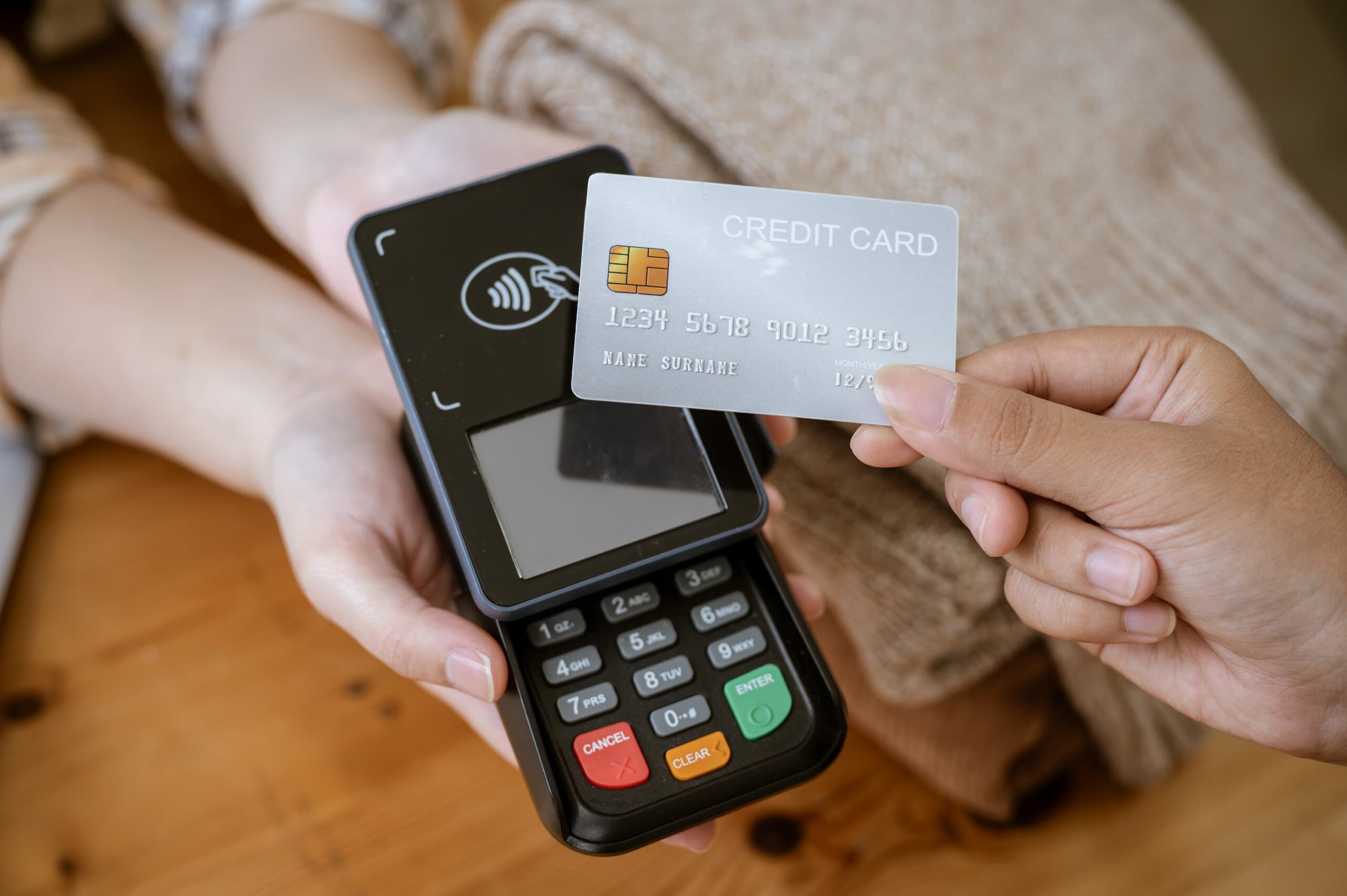
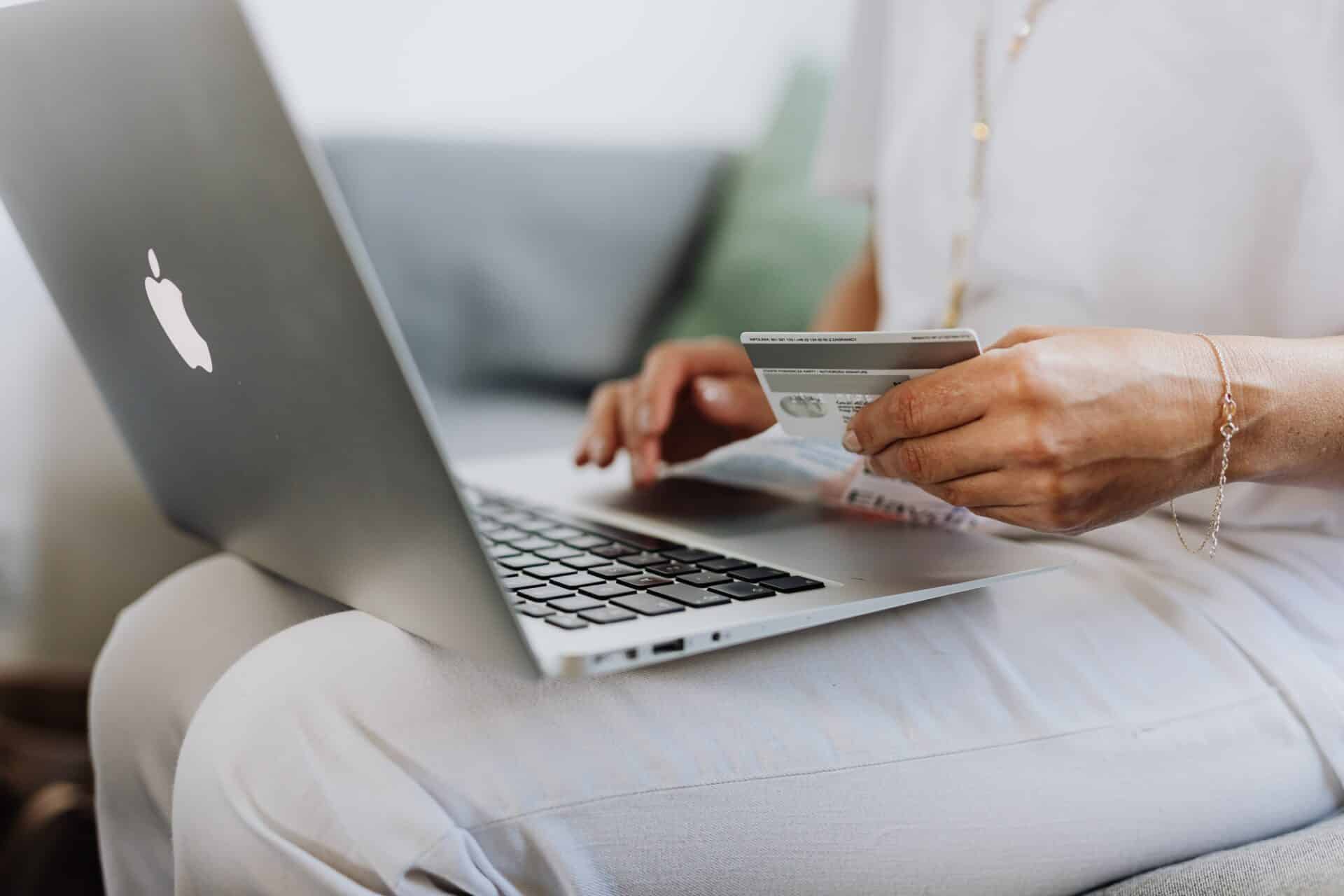
A payment gateway is the technology responsible for securely collecting, encrypting, and transmitting payment information during an online purchase. Whenever a customer enters their card number, expiration date, or digital wallet credentials at checkout, the payment gateway securely sends that information to the payment processor for authorization.
You can think of the payment gateway as the secure digital bridge between your website, your customer, and the financial institutions involved in the transaction. Without it, payment information could not safely travel between the customer and the payment network.
Modern payment gateways support much more than traditional credit card transactions. Many also accept debit cards, ACH payments, Apple Pay, Google Pay, digital wallets, and alternative payment methods while providing a consistent checkout experience across desktop and mobile devices.
For ecommerce businesses, the payment gateway is often one of the most visible parts of the payment experience. A fast, secure checkout process helps build customer confidence and reduce cart abandonment.
What Does a Payment Gateway Do?
Every payment gateway performs several critical functions throughout the checkout process. It encrypts sensitive payment information, securely transmits authorization requests, and returns approval or decline responses in seconds. This allows customers to complete purchases quickly without exposing their financial information.
Many gateways also include built-in fraud prevention features such as tokenization, address verification, CVV validation, velocity checks, device fingerprinting, and support for 3D Secure authentication. These security tools help merchants reduce fraudulent transactions while maintaining a smooth checkout experience for legitimate customers.
Merchant Account vs Payment Gateway: Key Differences
Although merchant accounts and payment gateways work together during every transaction, they serve completely different purposes.
A merchant account is responsible for managing money. It temporarily receives approved payment funds before those funds are transferred into your business bank account. A payment gateway, on the other hand, never handles the money itself. Its responsibility is securely transmitting payment information so authorization can occur.
Customers interact directly with the payment gateway whenever they enter payment information during checkout. The merchant account remains completely behind the scenes, managing settlement, payouts, and financial processing after authorization has been completed.
Many modern payment providers bundle both services together into one platform, making setup easier for merchants. Even so, understanding the distinction between these two components helps businesses make better decisions when comparing payment providers.
| Feature | Merchant Account | Payment Gateway |
| Primary purpose | Holds approved transaction funds | Securely transmits payment data |
| Handles | Funds | Payment information |
| Customer visibility | Behind the scenes | Visible during checkout |
| Provider | Acquiring bank or merchant account provider | Payment gateway provider |
| Used during | Settlement and payout | Payment authorization |
| Typical fees | Processing and account fees | Gateway or transaction fees |
| Can be bundled? | Yes | Yes |
Payment Gateway vs Payment Processor vs Merchant Account
When comparing a payment gateway vs payment processor vs merchant account, it’s important to remember that all three are essential parts of the same payment ecosystem. They work together to complete every card transaction, but each one has a distinct responsibility.
The payment gateway collects and securely transmits payment information entered by the customer. The payment processor handles communication between financial institutions to determine whether the transaction should be approved. The merchant account temporarily receives the approved funds before they are transferred to your business bank account.
Because these services are so closely connected, many providers package them together under one platform. However, understanding each component makes it much easier to compare providers, evaluate pricing, and choose the right payment solution for your business.
Whether you’re processing payments through an ecommerce store, subscription platform, or high risk business, knowing where each piece fits helps you troubleshoot payment issues, improve checkout performance, and better understand how your revenue moves through the payment process.
What Does a Payment Processor Do?
A payment processor acts as the communication network between everyone involved in a payment transaction. After the payment gateway securely sends the customer’s information, the processor routes that information to the appropriate financial institutions for authorization.
The processor communicates with the customer’s issuing bank, which verifies available funds, card validity, and potential fraud indicators. It also works with the acquiring bank, which represents the merchant throughout the transaction. Once the issuing bank approves or declines the payment, the processor returns that response to the payment gateway, allowing the purchase to either continue or stop.
Payment processors also play a major role during settlement by helping transfer approved funds through the card networks until they ultimately reach the merchant account.
Understanding the Complete Payment Stack
Each component performs one specialized job. Together, they create a fast, secure payment experience for both merchants and customers.
| Component | Primary Responsibility |
| Payment gateway | Securely captures and transmits payment information |
| Payment processor | Routes transactions and communicates with issuing and acquiring banks |
| Merchant account | Temporarily holds approved funds before payout |
Although many businesses purchase these services from one provider, understanding the complete payment stack helps explain what happens behind the scenes every time a customer clicks “Pay Now.”
How Merchant Accounts, Payment Gateways, and Payment Processors Work Together
To better understand how these components interact, let’s follow a typical ecommerce purchase from checkout to payout.
Imagine a customer purchases a product from your online store using a credit card. The transaction may only take a few seconds from the customer’s perspective, but several systems work together behind the scenes to complete the payment securely.
The payment gateway captures the customer’s payment information and encrypts it before sending it to the payment processor. The processor then contacts the issuing bank to verify that the card is valid, sufficient funds are available, and no fraud concerns exist. If everything checks out, the issuing bank approves the purchase.
The approved transaction is then sent to the merchant account, where the funds remain temporarily until settlement occurs. Once settlement is complete, the funds are deposited into your business bank account according to your provider’s payout schedule.
The entire process typically happens in seconds for authorization, while settlement and funding usually occur within one or more business days.
- The customer enters payment information during checkout.
- The payment gateway encrypts and securely transmits the payment data.
- The payment processor communicates with the issuing and acquiring banks.
- The issuing bank approves or declines the transaction.
- Approved funds are deposited into the merchant account.
- The transaction enters the settlement process.
- Funds are transferred into the merchant’s business bank account.
Every successful card payment follows this same general sequence, regardless of whether the customer pays with a physical credit card, debit card, or supported digital wallet.
Do You Need Both or an All-in-One Provider?
Every business that accepts card payments needs both merchant account functionality and payment gateway functionality. The question is not whether you need both, but whether you want them through separate providers or one integrated payment platform.
For many small businesses, an all in one payment provider offers convenience. Setup is typically faster, integrations are simpler, and merchants have one company managing the entire payment process. This can reduce administrative work and simplify ongoing support.
However, businesses with specialized needs may benefit from standalone services. Companies operating in high risk industries, processing large transaction volumes, or requiring advanced fraud controls often choose providers that specialize in merchant accounts while integrating with the payment gateway that best fits their ecommerce platform.
High Risk Pay helps businesses find payment solutions that align with their industry, processing volume, and risk profile. For merchants that have been declined by traditional providers, a specialized high risk merchant account paired with a compatible payment gateway can provide greater flexibility and long term stability.
How to Choose the Right Payment Setup
Choosing the right payment solution involves more than comparing processing rates. The best provider should support your business model, integrate with your existing systems, and provide the security and reliability your customers expect.
Start by evaluating how and where you accept payments. An ecommerce retailer, subscription business, mobile service provider, and high risk merchant all have different processing needs. Make sure the provider supports your preferred payment methods, currencies, and sales channels.
Next, review pricing carefully. Processing rates are only one part of the overall cost. Look for transparent contract terms, reasonable settlement times, clear reporting tools, and responsive customer support. Providers should also maintain strong PCI compliance standards and offer fraud prevention features that match your level of transaction risk.
If your business operates in a regulated or high risk industry, choosing a provider with specialized underwriting experience can make a significant difference in both approval rates and long term account stability.
When comparing payment providers, consider:
- Your business model and industry
- Online, in person, or omnichannel sales
- Supported payment methods and currencies
- Transparent pricing and contract terms
- Ecommerce platform integrations
- PCI compliance and security standards
- Fraud prevention and chargeback management tools
- Reporting and analytics capabilities
- Customer service and technical support
- Settlement speed and funding timeline
Frequently Asked Questions
Can You Accept Payments Without a Merchant Account?
Most businesses that accept credit card payments need merchant account functionality. While many payment providers bundle this into an all in one solution, every card transaction still requires a merchant account behind the scenes.
What’s the Difference Between a Merchant Account and a Business Bank Account?
A merchant account temporarily holds approved card payments before they are transferred to your business bank account. Your business bank account is where you manage everyday finances, such as paying bills, receiving deposits, and handling operating expenses.
How Long Does Merchant Account Approval Take?
Approval times vary by provider and business type. At High Risk Pay, many merchants can receive approval within 24 to 48 hours, even in industries that traditional processors often decline.
Do Payment Gateways Charge Separate Fees?
Some payment gateways charge separate monthly or transaction fees, while others include gateway services as part of a bundled payment solution. Always review pricing carefully to understand your total processing costs.
Can One Provider Handle the Merchant Account, Gateway, and Processor?
Yes. Many payment providers offer integrated solutions that include merchant account services, payment gateway technology, and payment processing in one platform. This can simplify setup, reporting, and ongoing account management.