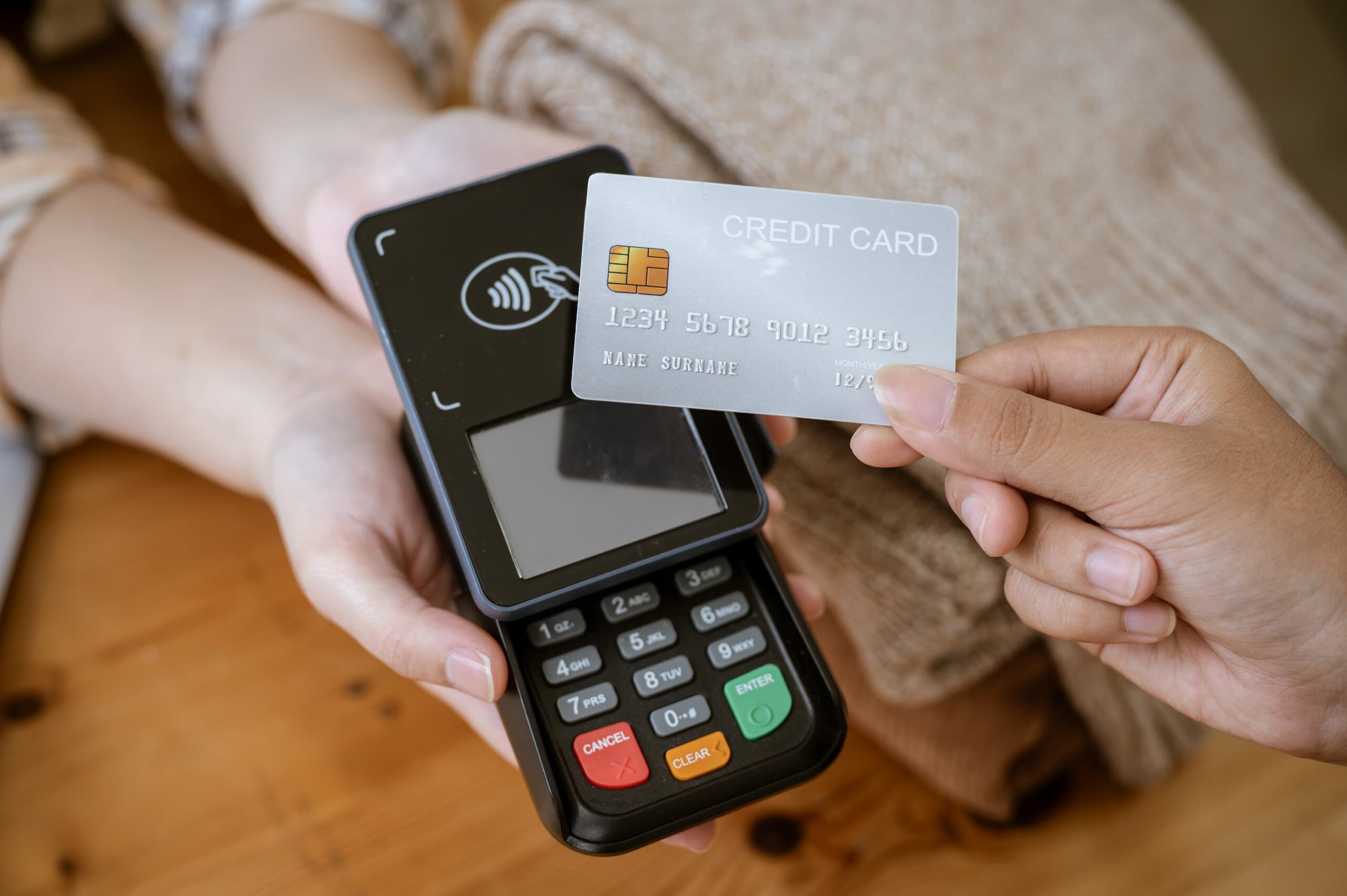






Understanding why nonprofits are considered high risk is the first step toward choosing a nonprofit payment processor that can support stable, secure donation processing. With the right infrastructure in place, nonprofits can reduce approval friction and protect the continuity of their fundraising efforts.
Key Factors That Make Nonprofits High Risk
Several structural and operational realities increase a nonprofit’s perceived risk profile. These factors can create barriers to traditional merchant account approval, even for well-established organizations with strong missions.
Elevated Fraud Risk and Chargeback Exposure
Nonprofits face both external and internal fraud risks. Externally, fake charities, phishing campaigns, and donation scams have made financial institutions more cautious about organizations collecting funds online. Fraudulent activity within the broader nonprofit sector increases scrutiny across the board, even for legitimate organizations.
Internally, nonprofits often rely on volunteers, small teams, and trust-based operational structures. While mission-focused environments foster collaboration, they can also create gaps in financial oversight. From a processor’s perspective, elevated fraud risk increases the likelihood of disputes and chargebacks. High chargeback ratios are a primary reason traditional providers hesitate to approve or maintain nonprofit merchant accounts.
Unpredictable and Diverse Revenue Sources
Unlike traditional retail businesses with consistent daily sales volume, nonprofits often depend on varied and irregular income streams. Donations, grants, recurring contributions, one-time fundraising campaigns, ticketed events, and sponsorships all generate different transaction patterns.
This variability complicates underwriting. Sudden spikes in donation volume during campaigns, followed by slower months, can appear unstable from a risk management standpoint. Processors evaluating cash flow consistency may perceive irregular transaction behavior as financial unpredictability, increasing perceived risk.
Reputation-Driven Financial Stability
Public trust is central to nonprofit success. Donation volume is directly tied to reputation, compliance, and public perception. Negative publicity, regulatory investigations, or even minor compliance issues can quickly reduce contributions.
From a payment processor’s perspective, reputational sensitivity introduces financial volatility. If donations decline sharply due to public concerns, account balances and processing behavior can shift rapidly. This link between reputation and revenue makes long-term stability more difficult to forecast during underwriting.
Payment Processing Challenges Nonprofits Commonly Face
Because of these risk factors, nonprofits often encounter operational barriers when securing reliable merchant services. These challenges can disrupt fundraising and strain financial operations.
Account Denials from Traditional Payment Providers
Many traditional banks and mainstream processors decline nonprofit applications outright. Perceived fraud exposure, inconsistent revenue patterns, limited operating history, or sector classification can all trigger denial.
Even established nonprofits may struggle to meet the standardized underwriting criteria used by traditional providers. When applications are declined, organizations are forced to search for alternatives while fundraising efforts are delayed.
Account Freezes, Holds, and Processing Interruptions
Nonprofits that secure approval through standard processors may still face unexpected disruptions. Sudden increases in donation volume during fundraising events can trigger automated risk flags. This can result in fund holds, rolling reserves, or temporary account freezes.
For nonprofits relying on consistent cash flow to fund programs and operations, processing interruptions can create significant operational strain. Donation continuity is essential, especially during critical fundraising campaigns.
Limited Access to Scalable Donation Processing Tools
Providers that do not specialize in nonprofit payment processing may offer limited functionality. This can restrict access to modern gateways, recurring donation systems, mobile giving tools, and advanced fraud protection.
Without scalable infrastructure, nonprofits may struggle to manage recurring contributions, diversify payment channels, or protect donor information effectively. Over time, this can limit growth and increase operational risk.
How Choosing a Nonprofit Payment Processor Helps Overcome These Challenges
Working with a specialized provider shifts the focus from risk avoidance to risk management. Instead of rejecting nonprofit accounts based on classification alone, high-risk payment processors evaluate organizations more holistically.
Specialized Underwriting Designed for Nonprofit Risk Profiles
High-risk payment processors understand the structural realities of nonprofit fundraising. Rather than applying rigid retail-based underwriting models, they consider mission, operational structure, donation patterns, and campaign cycles.
This specialized approach improves approval outcomes and reduces unnecessary denials. By aligning underwriting with nonprofit business models, processors can provide stable merchant accounts that reflect how these organizations actually operate.
Fraud Prevention and Chargeback Protection Tools
Advanced fraud monitoring systems, transaction verification tools, and chargeback mitigation strategies help reduce dispute ratios and protect revenue. These systems identify suspicious activity early, lowering exposure before it escalates.
For nonprofits, fraud prevention not only protects funds but also reinforces donor trust. Maintaining low chargeback levels supports long-term processor confidence and account stability.
Support for Recurring Donations and Multiple Payment Channels
Recurring donations create predictable revenue and improve financial planning. A specialized processor enables subscription-style giving, online donation forms, mobile payments, and event-based transactions through integrated systems.
By supporting multiple payment channels, nonprofits can diversify revenue streams and reduce dependence on one-time campaigns. This structure creates more sustainable, long-term financial stability.
Stable, Long-Term Payment Processing Without Unexpected Account Closures
Perhaps most importantly, experienced high-risk providers reduce the likelihood of sudden account shutdowns. Because they anticipate sector-specific risk patterns, they build infrastructure designed to accommodate transaction spikes and seasonal variability.
This stability allows nonprofits to collect donations consistently without fearing unexpected service interruptions.
How High Risk Pay Supports Reliable Nonprofit Payment Processing
High Risk Pay works with organizations that have been declined or restricted by traditional providers. By focusing on risk management rather than blanket industry exclusions, High Risk Pay helps nonprofits maintain secure, uninterrupted donation processing.
Fast Approval for High-Risk Nonprofit Merchant Accounts
High Risk Pay evaluates nonprofit applications with an understanding of sector-specific challenges. Even organizations that have previously been declined can often secure approval through tailored underwriting.
Faster approvals allow nonprofits to resume fundraising activities without extended delays.
Secure Payment Gateway Solutions for Nonprofit Organizations
High Risk Pay provides secure, compliant payment gateway solutions designed to protect donor data and support safe transaction processing. Strong encryption, fraud screening, and compliance monitoring help reduce exposure to data breaches and disputes.
Security is essential not only for regulatory reasons but also for maintaining donor confidence.
Scalable Processing Solutions to Support Nonprofit Growth
As nonprofits expand their outreach, donation volume often increases. High Risk Pay offers scalable infrastructure that can handle higher transaction counts, recurring contributions, and multi-channel fundraising efforts without triggering unnecessary account reviews.
This scalability ensures that payment systems grow alongside organizational impact.
Choosing the Right Nonprofit Payment Processor
Selecting the right provider requires careful evaluation of underwriting flexibility, fraud protection tools, recurring donation support, and long-term account stability. For many organizations, choosing a nonprofit payment processor with experience in high-risk industries is critical to avoiding approval barriers and operational disruptions.
A specialized provider ensures your organization can securely accept donations, protect donor trust, and maintain reliable access to funds. High Risk Pay delivers tailored nonprofit payment processing solutions designed to overcome underwriting challenges and support long-term operational success.